

Happy Monday, Alpaca!
“A novice is easily spotted because they do too much. Too many ingredients, too many movements, too much explanation. A master uses the fewest motions required to fulfill their intention.”
— Jiro Ono
I love it when you all bring me little bits of truth and wisdom from the books you’re reading, the podcasts you’re learning from, and the work you’re doing. Last week, a team member dropped this quote into my life after hearing it on The Founders podcast (by the way, this episode is great), and I can’t stop thinking about it. So of course, I went ahead and did a little research.
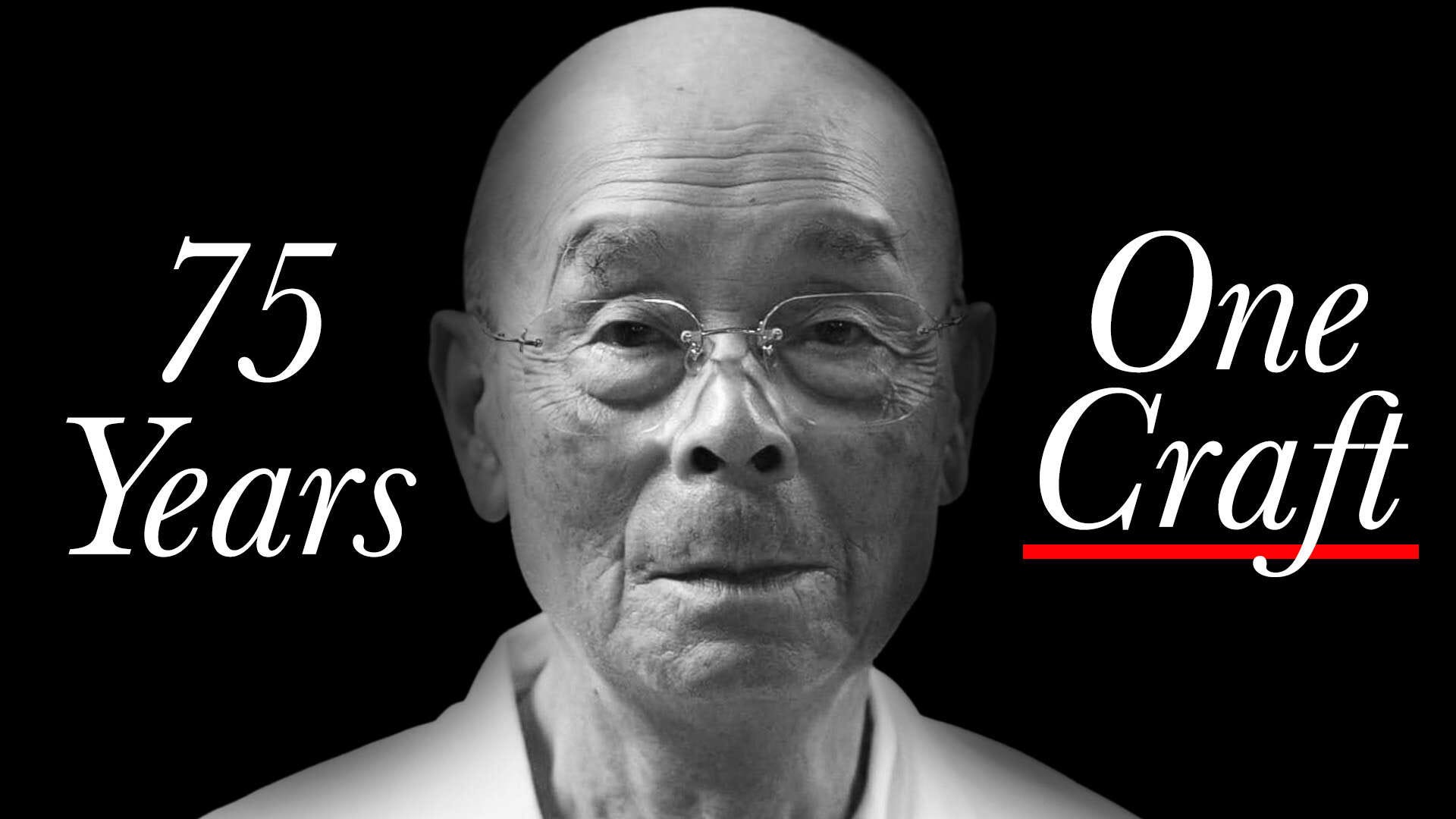
The quote itself comes from master chef Jiro Ono, and if you haven’t watched the documentary Jiro, Dreams of Sushi, add it to your list. Master chef Jiro Ono’s story of how he has dedicated his life to the craft of sushi making, in a tiny nondescript restaurant in Japan is an absolutely beautiful depiction of the creation of a business, a tradition, and legacy. I didn’t know I could love an entire documentary about sushi, but I did. Because it’s not about sushi — it’s about craftsmanship.
Upon a little further research, I learned that the dedication to simplicity and mastery embodied in the movie, and certainly in that quote, is part of a Japanese concept called shokunin (職人), which literally translates to “a person of their craft.” Shokunin are people who have dedicated their life to their craft, from agriculture to utilitarian folk craft to sushi.1 The practice of this is referred to as shokunin kishitsu (職人気質) or “a craftsman spirit.”
The idea at the heart of it is that mastery isn’t a product of brilliance but of presence — doing the same thing with reverence each day.
Something here felt so resonant to our work — to the craft of teaching and to profession of education overall. So I kept reading. And what I found is that shokunin kishitsu is built of a few core tenets. I’ve seen these listed different ways, so I’m doing my best here. If you have a great source for this, please let me know! Here they are:
Perfection through repetition. Any craft is perfected through doing it over and over and over, sometimes for generations.
Moral obligation to the community. That because the craft contributes positively to society, it must be practiced with the utmost respect and integrity.
Self-effacement. That the work itself is greater than the person doing it. Operate with humility, in recognition of the work itself.
Continuous improvement. There is no finish line, only refinement. The moment someone stops working on their craft is the moment they stop being shokunin.
(OMG I love learning new things so much!) While I was reading — all the work and education parts of my brain lit up with the resonance of our mission and work ahead, and why I believe teaching is such an important profession.

Part of why I have so much respect for the craft of teaching is that to be a teacher is to commit to this craftsman’s spirit. Let’s look at the role of educator against those four tenets:
Perfection through repetition? Yes. Educators show up every single morning, often arriving at work in the dark, to start their day. They greet those kids every single morning. They create and refine their work spaces month over month and year over year. They often refine their lessons on the same book or concept or lesson year after year. That consistent repetition makes their students feel safe while continually improving the craft.
Community mindset? Of course. It’s why the role never stops at the bell and why educators often fill so many roles — educator, mentor, counselor, advocate, coach, wrangler-of-winter-clothes. Teachers know their craft matters to the collective health of our communities.
Self-effacement? Oh buddy! No one knows humility in work more than educators. It’s all I can do to convince some school leaders to come talk about their leadership strategies on the Little Wins podcast, because they insist they’re “not doing anything special.” (Truly, I bet 50% of guests say this to me. Then we find out they're actually school culture geniuses.) Educators are the first to keep the focus on the work, the kids, and their team.
Continuous Improvement? Oh yes. “Every day, a little better” is a refrain I hear often with school leaders. And it’s why our veteran teachers (long-standing educators) are so key to school culture — they’ve been refining and practicing their craft with repetition for years, and their work is wiser and more refined because of it.
We have the joy and opportunity to support a profession that defines craftsmanship, and I was so happy to be reminded of that with Jiro Ono’s quote and my little deep dive into this topic.

As you know, I often ask our team to “think like an educator” in our approach to work, and my ask of you this week is to consider the lessons we can learn from this commitment to craftsmanship.
As you’re getting a coffee or preparing for the day, ask yourself these questions:
How might I accomplish my work this week with the fewest movements and the simplest path?
How might I stay focused on getting better and better and better, not seeking something new, but refining the work in front of me now?
How might we lift up the work itself and the celebrate the impact it has on our communities?
If you use these questions, or make a tiny little change in your work this week in this direction, I’d love to hear about it! And if you know more about this topic in general, I’d love for you to share it with me.

It’s the last week of the month,
In an extraordinary year,
With nothing but opportunity ahead of us.
Let’s go, Alpaca!
KB
https://kyotojournal.org/culture-arts/shokunin-and-devotion/